
Building a World of Amazing Abundance
Battery Power
Energy Delivered
Hours Protection
Smart and reliable energy storage solutions designed to give your home greater energy independence, dependable backup power, and better control over your energy.
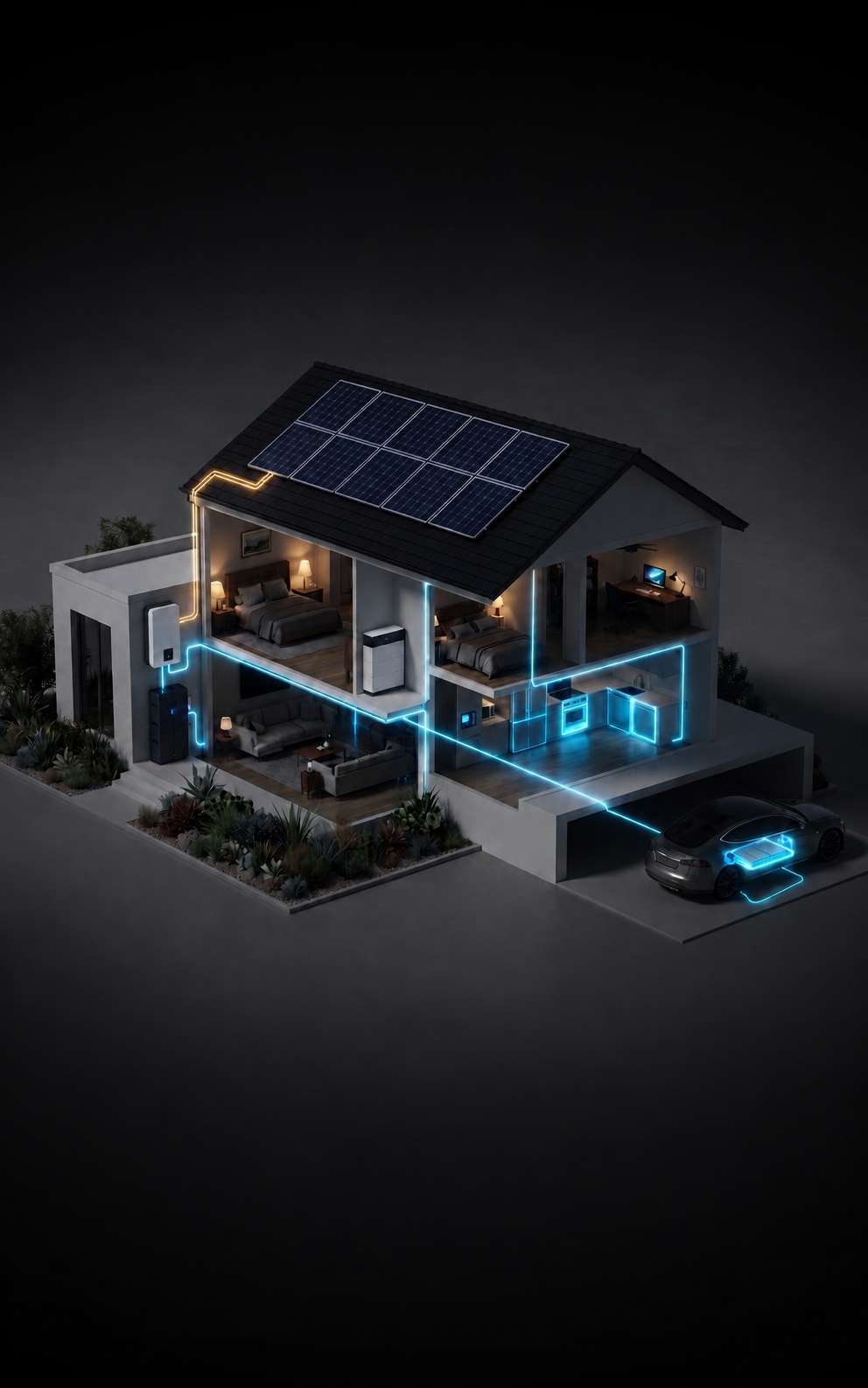
Store energy from solar or the grid and use it whenever you need it, reducing your reliance on external power.
Contact Now →
Keep essential appliances and systems running during outages with dependable home battery backup.
Contact Now →
Capture excess solar energy during the day and store it for use after sunset, helping you get more from your solar system.
Contact Now →
Track battery status, charging, consumption, and system performance through intelligent monitoring and controls.
Contact Now →
Premium LiFePO4 energy storage designed for dependable performance, long-term operation, and everyday home use.
Contact Now →
Connect with Dragon Ion for dealer, distribution, and energy storage partnership opportunities.
Contact Now →A lithium battery is a rechargeable energy storage solution that uses lithium-based chemistry. Lithium batteries are widely used in solar energy systems, UPS systems, electric vehicles, telecom equipment, and other applications because of their high energy density, long lifespan, and efficient performance.
Yes, quality lithium batteries are designed with multiple safety features. Many models include a Battery Management System (BMS) that helps protect against overcharging, over-discharging, excessive current, short circuits, and abnormal temperatures.
Consider your required voltage, capacity (Ah/kWh), continuous and peak power, expected runtime, cycle life, operating temperature, installation environment, and equipment compatibility. For solar systems, your daily energy consumption and inverter specifications are especially important when selecting battery capacity.
Many lithium batteries allow a greater Depth of Discharge (DoD) than traditional lead-acid batteries. However, repeatedly operating at the battery’s absolute limits may affect its lifespan, so the manufacturer’s recommended discharge range should be followed.
Warranty coverage varies by manufacturer and battery model. Before purchasing, check the warranty period, cycle or energy-throughput limits, capacity-retention terms, operating requirements, and exclusions to understand exactly what is covered.